%2Ffit-in%2F250x250%2Fguide_websites%2F2606%2Fimages%2F2.png&w=1920&q=100)
/users/43febc85-acac-4272-a7f1-c9238a9ebe2f/ratecard/429648574_10228669470854187_4184670750763547505_n.jpg)
%2F300x300%2Fusers%2F43febc85-acac-4272-a7f1-c9238a9ebe2f%2Fratecard%2F429648574_10228669470854187_4184670750763547505_n.jpg&w=256&q=75)
%2Ffilters%3Aformat(webp)%2F300x300%2F578a237c-43fc-4ca0-b8a5-27828f6563ca%2Freport%2Fsocial%2Fimages%2Freport%2Fanglers-beach-fishing-techniques-9692.png&w=256&q=75)
%2Ffilters%3Aformat(webp)%2F300x300%2F578a237c-43fc-4ca0-b8a5-27828f6563ca%2Freport%2Fsocial%2Fimages%2Freport%2Fspotted-weakfish-diverse-fishing-methods-13051.png&w=256&q=75)
Best Inshore Fishing in Biloxi | Aquiline Charters

 Biloxi
What you will be catching:
 Black Drum
 Redfish
 Sea Trout
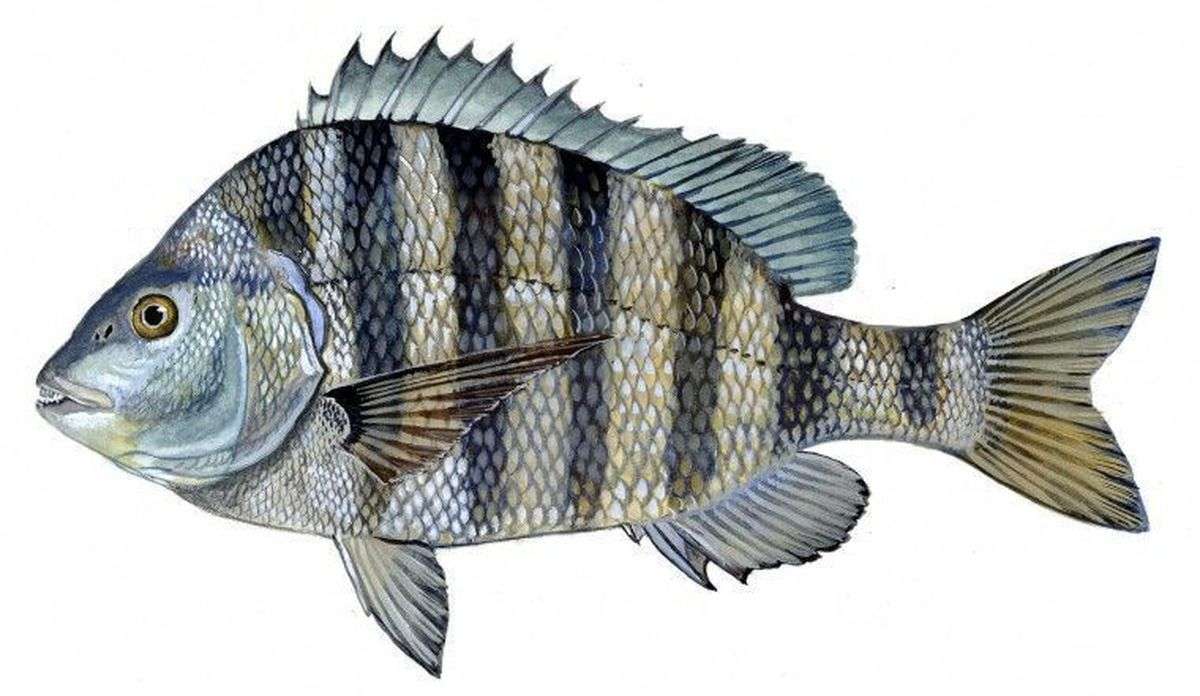
 Sheepshead
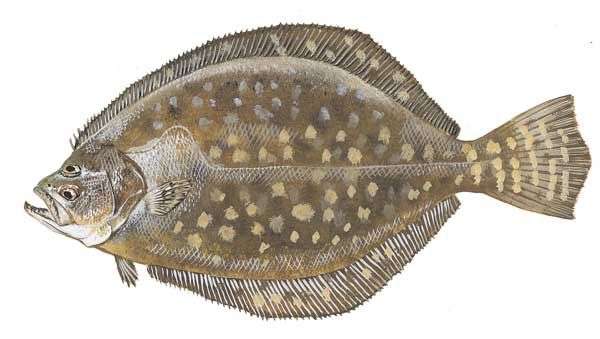
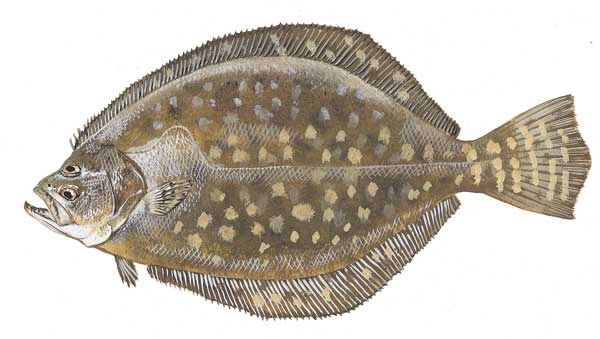 Southern Flounder
- Private 6-8 hour inshore fishing targeting multiple species
- Expert captain guidance for up to 4 anglers, all levels welcome
- No fishing license required, just bring personal refreshments
Trip Pricing and Availabilities:
Private Inshore Fishing Trip in Biloxi
Looking for some solid fishing action without the rough seas? This private inshore charter with Captain James puts you right where the fish are biting. We're talking about productive nearshore reefs around Biloxi where redfish, speckled trout, and flounder call home. It's the kind of fishing that keeps you busy all day—perfect for families, experienced anglers, or anyone wanting to get their line wet in some of Mississippi's best inshore waters. You'll have the boat to yourself and up to three friends, so no fighting for spots or dealing with strangers hogging the good fishing holes.
What to Expect on the Water
Captain James knows these waters like the back of his hand, and it shows in every trip. You've got your choice of a 6-hour or 8-hour charter, depending on how much fish-catching you can handle. The beauty of inshore fishing here is the calm, protected waters—no worrying about seasickness or monster waves. We'll hit the nearshore reefs where the structure holds plenty of fish, and James has the spots dialed in for consistent action. Don't stress about gear or licenses—everything's provided and covered. Just bring your appetite for fishing, some snacks and drinks, sun protection, and clothes that match the weather. The boat's set up for comfort and fishing efficiency, so you can focus on what matters: landing fish.
Techniques and Tackle
Inshore fishing around Biloxi is all about reading the structure and matching your presentation to what the fish want. We'll work with light to medium tackle that gives you a real fight without being overkill for these waters. Depending on conditions and what's biting, you might find yourself bouncing jigs along the bottom for flounder, working live bait around structure for redfish, or casting artificial lures to cruising speckled trout. The nearshore reefs create perfect ambush points where predator fish hang out waiting for baitfish. Captain James switches up techniques based on tide, weather, and fish behavior—that's the difference between a good day and a great day on the water. You'll learn why certain spots produce at different times and how subtle changes in presentation can turn a slow bite into non-stop action.
What Anglers Are Saying
"Captain James was great very informative and helpful. We recommend 10/10" - Eddie. "Had a blast with Captian James. He will do whatever it takes to make sure you catch what you came to catch. We will For sure be back." - chris. "Capt. James is the best around Biloxi. Bottom line, he does what it takes to catch fish. Not just take you out for the allotted time, he will try and try again until you find the fish." - Brad.
Species You'll Want to Hook
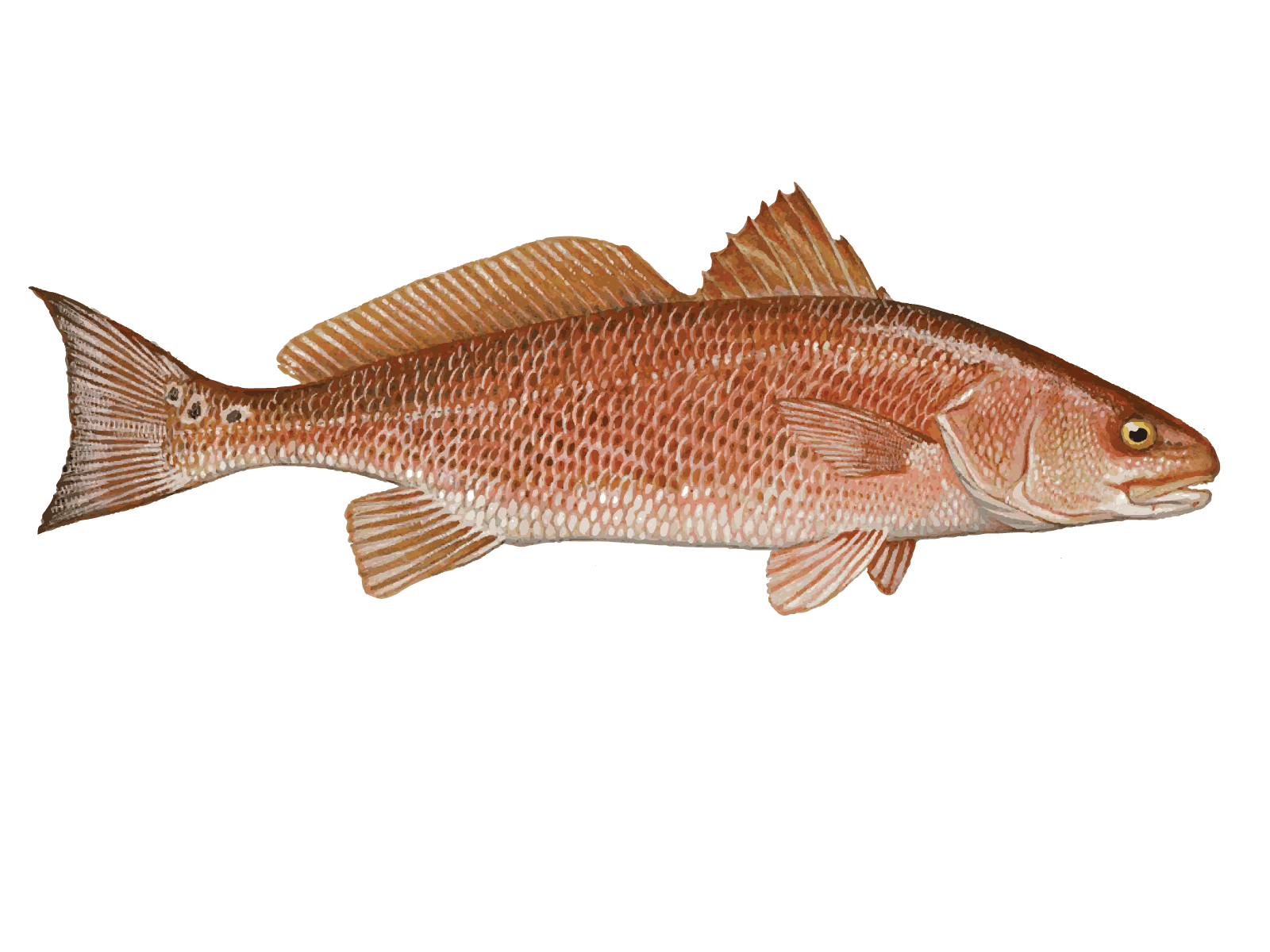
Redfish are the backbone of Mississippi inshore fishing, and for good reason. These copper-colored fighters average 18 to 27 inches in our waters and put up a serious scrap when hooked. They love hanging around structure, especially during moving tides when baitfish get pushed through the area. Fall and spring offer the most consistent redfish action, though they bite year-round if you know where to look. What makes reds special is their willingness to eat—they're not picky about presentations, making them perfect for anglers still learning the ropes. When you hook one, you'll know it immediately from that head-shaking, line-peeling run they're famous for.
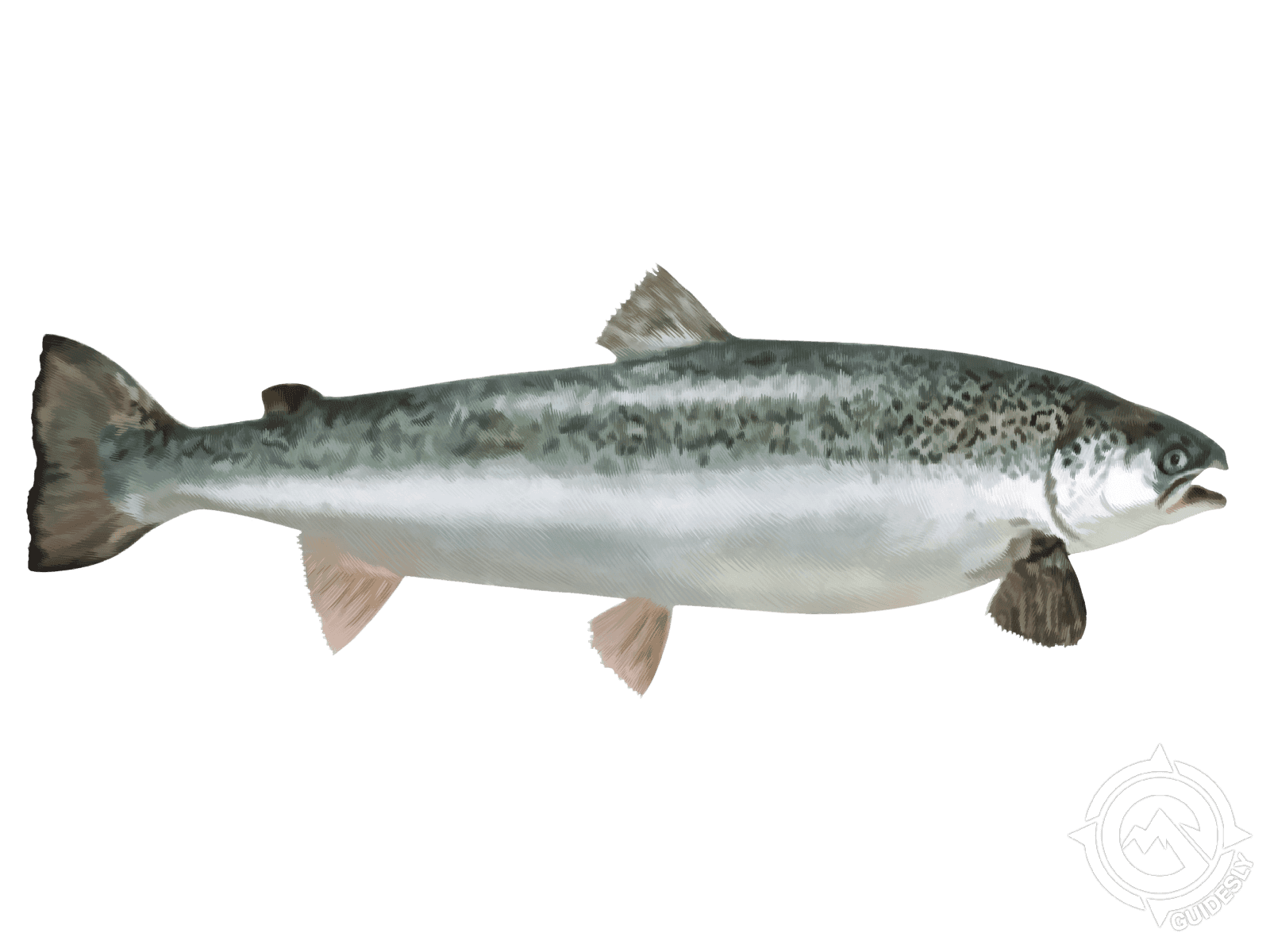
Sea trout, or speckled trout as locals call them, are the most popular inshore target around Biloxi. These spotted beauties typically run 14 to 20 inches and have an attitude that keeps things interesting. They're ambush predators that love grass flats and drop-offs near structure. Spring through fall gives you the best shot at specks, with early morning and late evening being prime time. What makes speckled trout so addictive is their unpredictability—one minute they're hammering topwater plugs, the next they want slow-sinking soft plastics. They've got sharp teeth and a soft mouth, so landing them takes a bit of finesse that makes every catch feel earned.
Southern flounder are the masters of disguise in these waters, laying flat on sandy bottoms waiting for unsuspecting prey to swim by. These flatfish can reach impressive sizes, with doormat flounder over 20 inches being the ultimate prize. They're most active during cooler months when they move through inshore areas on their way to spawn. Flounder fishing requires patience and technique—you're typically bouncing baits along the bottom, feeling for that distinctive tap-tap-tap bite. Once hooked, they fight with surprising strength for a flat fish, making powerful runs close to the bottom. Landing a nice flounder always feels like solving a puzzle since finding them requires reading bottom structure and water movement.
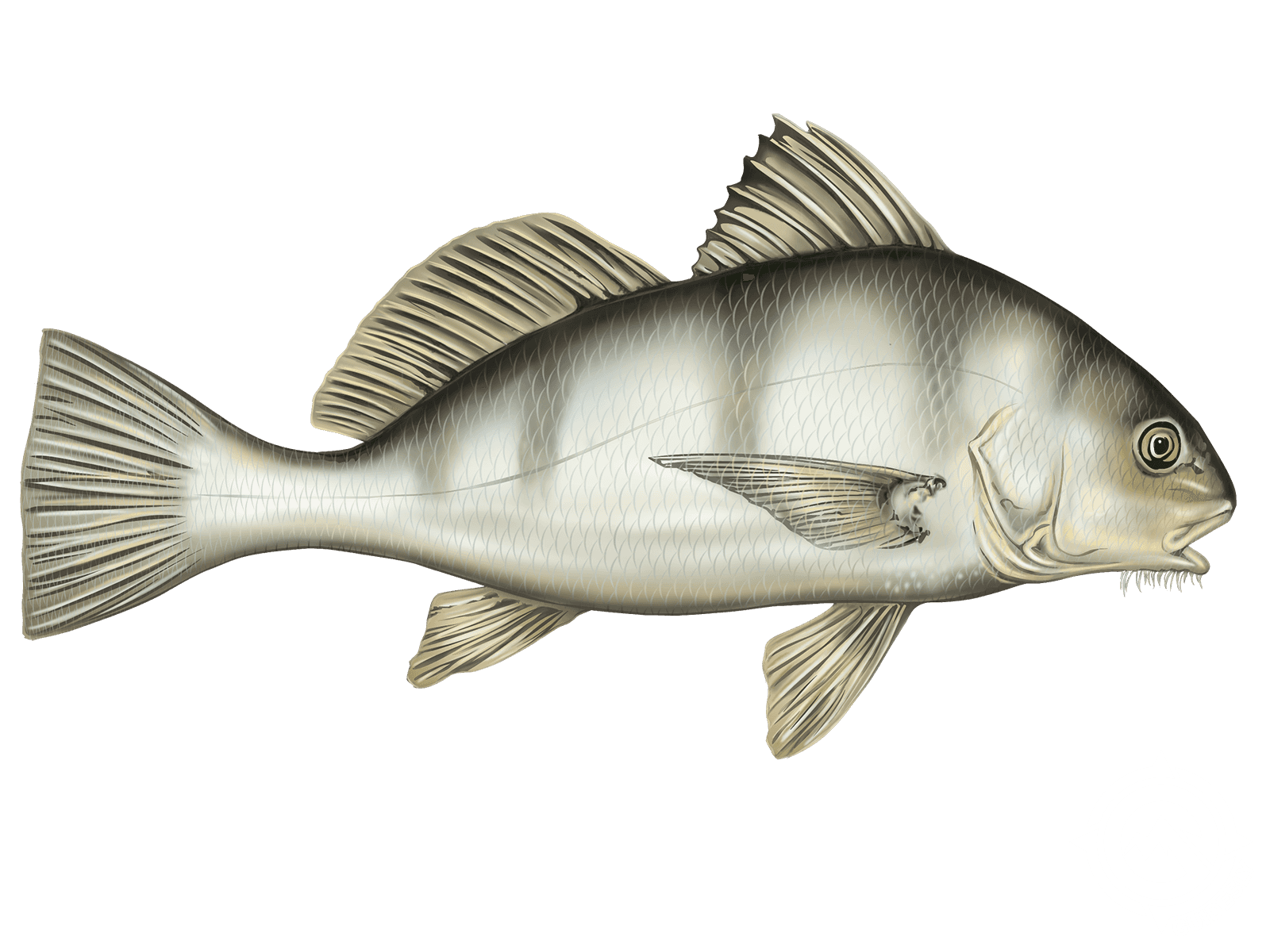
Black drum might not win beauty contests, but they're absolute bulldogs when it comes to fighting power. These bottom-dwellers can range from smaller 2-pound fish up to massive 20-plus-pound bruisers that'll test your tackle and endurance. They're year-round residents around structure and oyster beds, using their pharyngeal teeth to crush shellfish and crabs. What makes black drum special is their pulling power—they fight deep and heavy, using their broad sides to create maximum resistance. Bigger drum are often called "puppy drum" by locals and represent some of the strongest fights you'll experience in inshore waters. They're not spooky fish, so once you find a school, you can usually stay on them for multiple hookups.
Sheepshead are the convict-striped tricksters of inshore fishing—they've got human-like teeth and a knack for stealing bait without getting hooked. These structure-loving fish hang around pilings, reefs, and anywhere barnacles and oysters provide food. They typically run 12 to 16 inches but can
Customer Reviews
Captain James Rocks

Eddie Stoulig
October 19, 2024
James Gets Results
Had a blast with Captian James. He will do whatever it takes to make sure you catch what you came to catch. We will For sure be back.
chris brooks
June 25, 2023
Best Captain Biloxi
Capt. James is the best around Biloxi. Bottom line, he does what it takes to catch fish. Not just take you out for the allotted time, he will try and try again until you find the fish.
Brad Downing
June 9, 2025
James Does It Right
James done an excellent job in all aspects would recommend him to anyone
Barrett Woody
August 2, 2024
Awesome Trip James
We had an awesome time. James had the equipment, knowledge, and persistence to put us on fish. Could not have asked for a better trip. He was professional but could pick and play and have a good time. Truly loves what he does and it shows. The smiles say it all. Can’t wait to do it again. Soon!
Paul Prine
March 11, 2023
Learn more about the species
Black Drum
Black Drum are the bruisers of the drum family, often called "big uglies" for their dark, chunky appearance. Around here, you'll catch them from 5-30 pounds, though monsters over 50 pounds show up. They love oyster beds, muddy flats, and structure in 2-15 feet of water year-round, but spring brings the best action when they school up for spawning. What guests love is their bulldogging fight - they're not flashy jumpers, just pure power that'll test your drag. Smaller ones under 15 pounds make great table fare with firm, white meat. They're bottom feeders, so fresh cut crab or shrimp on a slip sinker rig works best. Pro tip: when you feel that steady pull, don't horse them - let them tire themselves out first.
Redfish
Redfish are the crown jewel of inshore fishing with their copper-bronze color and signature black spots near the tail. They range from schooling 20-inch "rat reds" to trophy fish over 40 inches. You'll find them in super shallow water - sometimes with their backs showing - around grass flats, oyster reefs, and marsh edges. They're active year-round but fall brings the best action with cooler water. Guests love them because they eat almost anything, fight hard with powerful runs, and smaller ones make excellent table fare. The thrill of sight-fishing to tailing reds in shallow water is hard to beat. Gold spoons and live shrimp are go-to baits, but here's a local trick: look for nervous baitfish - redfish are usually right underneath pushing them up.
Sea Trout
Speckled Trout are beautiful silver fish covered in dark spots that love our grass flats and shallow bays. Most run 14-24 inches and 1-5 pounds, with their soft mouths making them exciting on light tackle. You'll find them in 2-8 feet over grass beds and sandy bottoms year-round, though they move to deeper channels during cold snaps. They're popular because they hit lures aggressively, jump when hooked, and taste great with delicate, flaky white meat. Fall and spring offer the best action when they're actively feeding. Live shrimp under a popping cork is deadly, but they also love topwater plugs at dawn and dusk. Key tip: don't horse them in - their mouths tear easily, so keep steady pressure and use a landing net.
Sheepshead
Sheepshead are the "convict fish" with their distinctive black and white stripes, but what really sets them apart are their human-like teeth used for crushing barnacles and crabs. Most run 1-8 pounds and 14-20 inches, perfect for a good fight on light tackle. They're structure junkies - any dock, piling, or reef will hold them year-round, with spring being prime time. Guests love the challenge because they're notorious bait thieves with incredibly light bites, plus they make fantastic table fare with sweet, flaky white meat. The trick is getting your bait right against the structure using fiddler crabs or shrimp. Here's the secret: when you feel that gentle pecking, don't wait - they'll clean your hook in seconds. Set hard and fast.
Southern Flounder
Southern Flounder are masters of disguise - flat fish with both eyes on their left side that bury in sand and mud to ambush prey. They're common around 15-18 inches but can reach over 30 inches. You'll find them on sandy and muddy bottoms in shallow bays, estuaries, and nearshore waters throughout the year, though they move deeper in winter. What makes them fun to target is their subtle bite and the challenge of detecting their gentle nibbles. They're excellent eating with sweet, white meat. The key to hooking them is using light tackle with live shrimp or small fish, and when you feel that soft tap, set the hook immediately - they're notorious for stealing bait without getting hooked.
About the Makaira
%2F%2Fusers%2F43febc85-acac-4272-a7f1-c9238a9ebe2f%2Fvehicle_picture%2Fboat.jpg&w=1920&q=75)
Vehicle Guest Capacity: 6
Manufacturer Name: Suzuki
Maximum Cruising Speed: 65
Number of Engines: 2
Horsepower per Engine: 300

Captain James was great very informative and helpful. We recommend 10/10